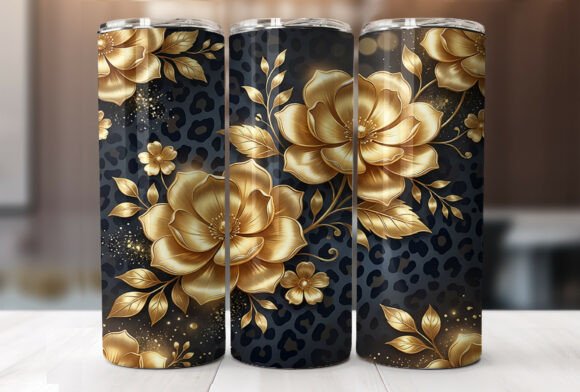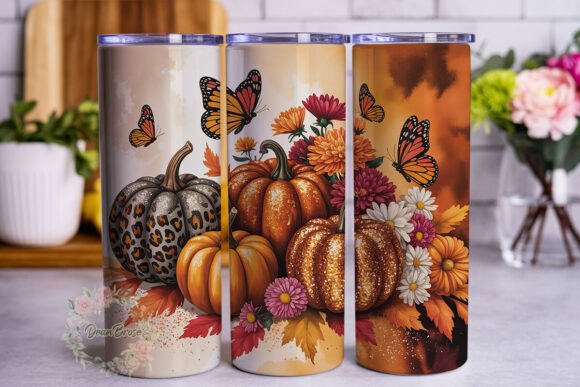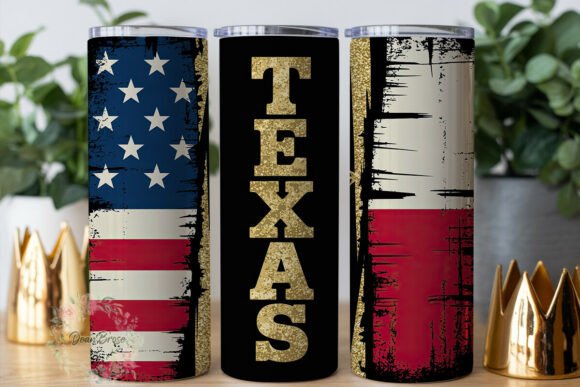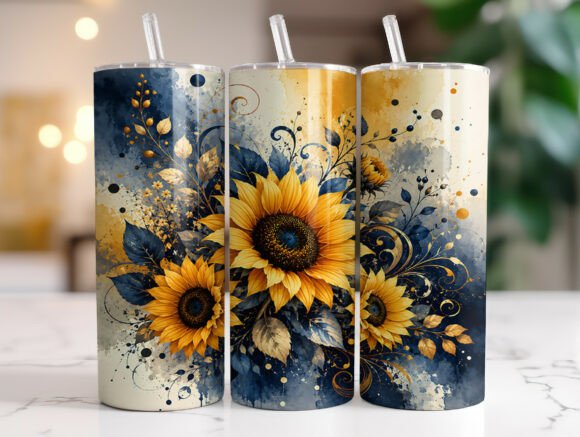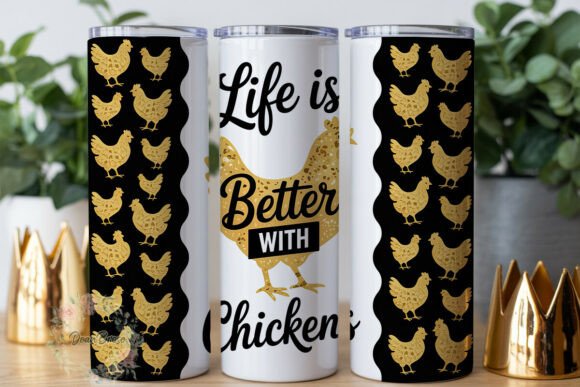
Gold Glitter Chicken 20oz Tumbler Wrap
When I first opened the folder for the Gold Glitter Chicken 20oz Tumbler Wrap, I didn't just see a graphic; I saw a potential bestseller. As someone who has spent years testing designs for real-world embroidery projects, my initial reaction is rarely about how pretty it looks on a screen. It is about how that image translates to thread, fabric tension, and the tactile experience of a finished product. This design screams "fun," but in the world of handmade goods, fun must be balanced with durability and professional execution.
The concept of a chicken rendered with a glitter effect is bold. In embroidery, we don't actually use glitter unless we are applying specific metallic threads or sequins, so the "glitter" here relies entirely on the stitch density and the color palette chosen by the operator. The dimensions provided, 9.3″ x 8.2″, suggest a substantial wrap-around design. For a standard 20oz tumbler, this size makes sense, but when I think about transferring this logic to other mediums like tote bags or sweatshirts, I have to consider the aspect ratio carefully. A design this tall can look overwhelming on a small cap brim but might sit perfectly centered on a large kitchen towel.
From Digital Mockup to Thread Reality
I recently had a scenario where a client wanted a custom batch of aprons for a local bakery's holiday gift drive. They loved the whimsical nature of the Gold Glitter Chicken 20oz Tumbler Wrap because it fit their branding perfectly. However, before I committed to the full run, I had to ask: how does this hold up under the needle?
In theory, this design works as a machine embroidery file or a digital asset for printable mockups. If you are an Etsy seller creating listings, having high-resolution PNG files without watermarks is crucial for showcasing your final product. But for actual stitching, the devil is in the details. The "glitter" effect needs to be simulated using a mix of satin stitches for outlines and perhaps fill stitches for the body. If the stitch density is too high, the fabric will pucker, especially if you are working with thin cotton or linen blends often used for tea towels or baby clothes. Conversely, if the density is too low, the gold tones might lose their richness, making the chicken look flat rather than shimmering.
I tested a similar layout on a scrap piece of twill fabric to gauge the visual weight. The result was striking. The design commands attention. It feels like a statement piece. When placed on a dark navy apron, the gold tones would pop significantly, creating a high-contrast, premium look. On a white background, the design might require a slightly darker thread selection to ensure the details aren't lost in the fabric weave. This is a classic case where understanding your thread colors is more important than the design itself.
Where This Design Shines
This design is not just for tumblers. While the title suggests a specific application, the artistic merit extends far beyond a single drinkware item. I envision this embroidery project thriving in several key areas:
- Custom Apparel: A large back print on a sweatshirt or hoodie. The vertical orientation fits the spine of a garment beautifully, turning a simple tee into a boutique-quality piece.
- Home Decor: Imagine this stitched onto a pillow cover or a set of kitchen towels. The playful theme adds character to a modern farmhouse kitchen.
- Baby Items: For a nursery wall hanging or a soft blanket, the chicken motif offers a gentle, humorous touch that parents love.
- Craft Business Merchandise: If you run a small shop, using this design on tags, patches, or even the lining of a tote bag can reinforce your brand identity.
The versatility lies in its personality. It is quirky enough to stand out at a craft fair but clean enough to remain professional. Customers browsing Etsy listings are often drawn to designs that tell a story or evoke a smile. This design definitely delivers on that front. It creates an immediate emotional connection, which is vital for driving sales in a crowded marketplace.
Practical Constraints and Risks
However, no design is perfect for every situation. As an experienced reviewer, I need to highlight where caution is required. The Gold Glitter Chicken 20oz Tumbler Wrap is detailed. If you attempt to stitch this on a small hoop, say 4x4 inches, you will likely run into issues with the corners. Curved surfaces like caps present another challenge. While the design is labeled for a tumbler, applying it to a curved hat brim requires careful digitizing adjustments to account for the compression of the fabric.
Texture is another factor. Embroidering on thick fleece or heavily textured fabrics can obscure fine details. The "glitter" effect, which relies on light reflection, might get lost if the fabric texture interferes with the thread lay. Furthermore, if you are planning to wash these items frequently, such as work aprons or kids' clothing, you must ensure the stabilizer used is robust enough to prevent the dense stitch areas from pulling away over time. Thin fabrics, like silk or lightweight rayon, are generally risky for designs with this much fill stitch unless they are backed with heavy-duty tear-away or cut-away stabilizers.
There is also the issue of color contrast. If you are using this design on a black tumbler or a dark garment, the gold elements need to be bright enough to be visible. Sometimes, designers assume a metallic thread will do all the work, but without a proper underlay or contrasting outline, the design can fade into the background. Always test your stitch density on a scrap piece of the actual material you intend to use.
Design Notes for the Professional Maker
If you are ready to incorporate this into your workflow, here are some essential steps to ensure success. First, check the licensing terms. Even though the download includes high-resolution files without watermarks, you must confirm whether you are allowed to sell finished products made from this design. Many digital assets have restrictions on commercial use.
Second, inspect the small details. Zoom in on the design files to see if there are any tiny gaps or overly complex curves that might cause thread breaks during production. If the design includes text, ensure it is legible at the intended size. Third, compare the design in black and white mockups. This helps you visualize the contrast and composition without the distraction of color, ensuring the silhouette holds up on its own.
Finally, consider the end-user experience. A finished product featuring this design should feel durable and well-crafted. If the stitching feels rough or the fabric puckers, the customer perception drops immediately. Use the right stabilizer for the fabric type, and always run a test sample. Whether you are creating a personalized gift for a friend or a bulk order for a boutique, the quality of the execution defines the value of the item.
The Gold Glitter Chicken 20oz Tumbler Wrap is a strong candidate for your next collection. It brings a unique blend of humor and style that resonates with modern buyers. By paying attention to the technical nuances of embroidery—hoop size, thread choice, and fabric compatibility—you can transform this digital graphic into a tangible, high-value asset. It is a reminder that while the design provides the vision, the maker provides the magic.