Happy Sewing Cat 20oz Tumbler Design Review
As a designer who spends countless hours testing digital assets for real-world embroidery, I approach every new download with a mix of excitement and skepticism. We have all been there: buying a design that looks perfect on a screen but falls apart under the needle or fails to impress a customer in person. Recently, I evaluated the Happy Sewing Cat 20oz Tumbler Design with the intention of using it in a small batch of handmade merchandise for an upcoming craft fair. My goal was to see if this piece could stand up to the rigors of commercial production while maintaining that charming, handcrafted feel that buyers love.
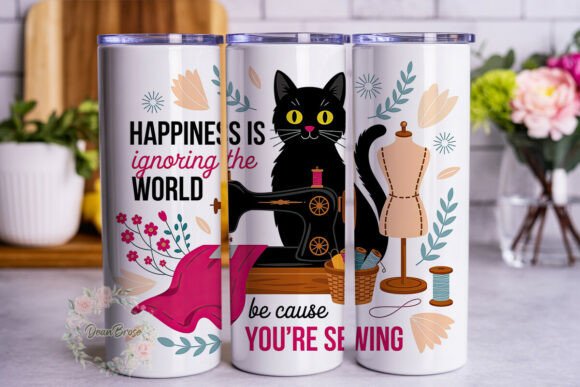
The first impression of the Happy Sewing Cat 20oz Tumbler Design is undeniably warm. It captures a specific mood that resonates deeply with the current market for personalized gifts and hobbyist-themed apparel. The layout feels balanced, avoiding the cluttered look that often plagues busy graphic elements. For a design intended to wrap around a curved surface like a tumbler, the dimensions provided—9.3 inches by 8.2 inches—are substantial enough to make a statement without overwhelming the object. It screams "cozy," making it a natural fit for kitchen accessories, nursery decor, or casual wear for sewing enthusiasts.
From Screen to Stitch: Real-World Application
In my recent project planning, I considered how this embroidery file would translate from a digital preview to a physical finished product. I imagined placing it on a high-quality canvas tote bag for a local boutique. The visual personality of the cat design suggests a playful energy that works exceptionally well on tote bag design projects where the message needs to be legible and engaging. However, when thinking about sweatshirt embroidery, the scale becomes critical. While the design is detailed, the curvature of a cap or a rounded tumbler requires careful consideration of how the stitches will lay.
If you are an Etsy seller or a small shop owner looking to expand your catalog, this asset offers a versatile starting point. It fits seamlessly into categories like holiday embroidery gifts or baby embroidery items. The theme is universally appealing, which means it has strong potential for personalized gift markets. Whether you are creating a custom apron for a cooking class or a decorative pillow cover for a home decor line, the Happy Sewing Cat 20oz Tumbler Design provides a focal point that elevates the perceived value of the item. It transforms a simple commodity into a thoughtful, branded piece of art.
Navigating Technical Challenges
No review is complete without addressing the practical hurdles of machine embroidery. When working with machine embroidery design files, especially those intended for wraps or curved surfaces, the stability of the fabric is paramount. If you plan to use this on stretchy fabrics like jersey or thin materials, you must be prepared to use the correct stabilizer to prevent puckering. The design features intricate details that rely on clean lines; without proper backing, those lines can blur, ruining the crisp aesthetic that makes the design attractive in the first place.
I also had to consider the limitations of smaller hoop sizes. While the overall dimensions are generous, if you attempt to stitch this into a very tight area, such as a small pocket or a narrow cuff, you might run into issues with thread breaks or density problems. The stitch density needs to be reviewed carefully. Areas with heavy fill stitch can become stiff, which might not be ideal for soft baby clothes or delicate garments. For commercial embroidery projects, durability is key. If the finished product is destined for frequent washing, the thread colors must be chosen wisely to ensure they do not fade quickly or bleed onto adjacent areas.
Another critical factor is the texture of the base material. On a smooth, flat surface like a standard tea towel, the design will likely shine. However, on textured fabrics like waffle weave or thick fleece, the definition of the satin stitch and running stitch elements may vary. It is always wise to test the design on scrap fabric first. This step allows you to adjust tension settings and confirm that the design assets hold up under the pressure of the machine needles. Do not skip this phase, especially if you are selling these items to customers who expect perfection.
Visual Appeal and Brand Consistency
The success of any handmade product often hinges on its ability to communicate a brand story. The Happy Sewing Cat 20oz Tumbler Design does this effectively. It creates a sense of community among crafters and sewists, fostering an emotional connection with the buyer. When used consistently across a line of products, it builds brand consistency that helps customers recognize your work instantly. In a crowded marketplace like Etsy, this recognition is invaluable for driving sales and building trust.
For digital product sellers creating printable mockups, this design offers excellent flexibility. The high-resolution nature of the source files ensures that previews look professional, which is crucial for converting browsers into buyers. When presenting a custom apparel listing, showing the design on a realistic background can significantly boost engagement. The playful nature of the cat motif adds a touch of whimsy that appeals to a wide demographic, from children to adults who appreciate a bit of humor in their daily tools.
Practical Notes for the Designer
Before you commit to a large production run, there are several technical checks you should perform. First, verify the file formats you received. The purchase includes PNG files for both straight and tapered tumblers, which are great for visualization, but ensure you have the necessary digitization files for your specific embroidery machine if you are stitching directly. If you are converting these graphics into an actual embroidery project, pay close attention to the stitch density and hoop size compatibility.
Always inspect small details and tiny lettering under magnification before finalizing the setup. Sometimes, what looks clear on a monitor can get lost in the thread mass. Testing the design in black and white mockups can also help you gauge contrast levels against different fabric backgrounds. Furthermore, confirm whether the license terms allow for commercial embroidery use. Many designers assume they can sell finished goods made from purchased designs, but some licenses restrict this. Always read the fine print to avoid legal issues.
Finally, consider the end-user experience. A custom embroidered patch or a decorated tumbler should feel durable and comfortable. If the design is too dense, it might irritate the skin or peel after a few washes. By selecting the right thread colors and ensuring the fabric texture complements the design, you can create a finished product that stands out. The Happy Sewing Cat 20oz Tumbler Design is a solid candidate for your next creative endeavor, provided you respect the technical nuances of machine embroidery. With careful execution, it has the potential to become a staple in your collection of craft business items.