Hot Tea in the Cup: A Designer's Real-World Embroidery Review
I have spent years stitching, designing, and reviewing embroidery files for everything from boutique apparel to custom nursery decor. When I first saw Hot Tea in the Cup, my initial reaction was one of immediate recognition for its potential in the cozy lifestyle market. It is not just another generic graphic; it carries a specific mood that translates surprisingly well into thread. As an experienced designer evaluating this for real project use, I want to walk you through exactly how this design behaves when it moves from a digital screen to a physical hoop.
The First Impression: Mood and Visual Personality
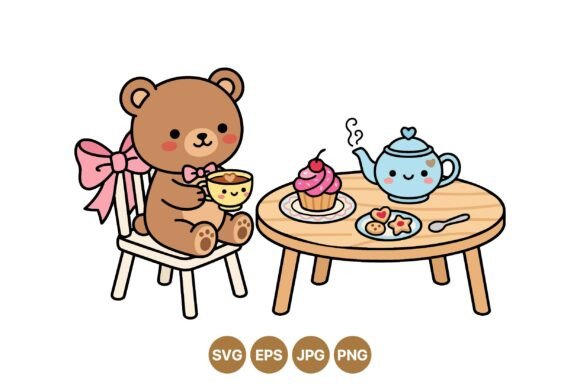
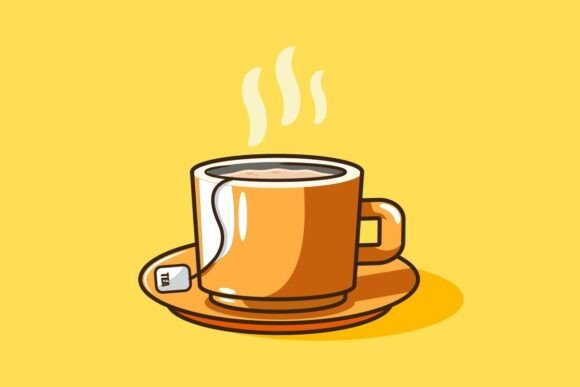
Hot Tea in the Cup arrives as a simple yet friendly illustration that screams comfort. The cartoon style is approachable, avoiding overly complex details that often get lost during the digitization process. For a designer looking to create products that evoke relaxation and warmth, this file hits the right notes immediately. The shape of the cup and the implied steam create a natural focal point that feels inviting rather than aggressive.
In terms of layout, the design is balanced. It does not feel cluttered, which is a common pitfall in many illustrations meant for embroidery. The visual personality suggests a brand that values handmade quality and personal connection. Whether you are a small shop owner or a hobbyist crafter, this design offers a clean canvas that allows the texture of the thread to shine without competing with excessive background noise. It feels like a design that belongs on a kitchen towel or a soft baby onesie, where the message is as important as the stitch.
Real-World Application: From Screen to Stitch
Let me share a scenario that happened last week while preparing for a holiday craft fair. I needed a custom embroidered tote bag design that would appeal to tea lovers and coffee drinkers alike. Most designs I considered were too text-heavy or required intricate color changes that slowed down production. That is when I tested Hot Tea in the Cup.
I placed the design on a heavy cotton canvas tote bag. The result was striking. The simplicity of the illustration meant that the satin stitches on the rim of the cup looked crisp and defined, while the fill stitches inside captured the warmth of the liquid perfectly. Because the design is not overly dense, it sat beautifully on the fabric without causing puckering, even on the lighter weight canvas. Customers at the booth stopped specifically to ask about the "cozy drink moments" theme. They didn't see a machine-made logo; they saw a piece of art that felt handcrafted. This is the kind of product value that drives sales for Etsy sellers and craft business owners.
This same logic applies to other items. Imagine this design stitched onto a sweatshirt for a winter collection, or perhaps as a small accent on a baby item. The rounded shapes of the cup work exceptionally well on curved surfaces like caps, provided the hoop size is managed correctly. For a nursery decor project, the friendly cartoon style fits right in with modern, minimalist themes. It is versatile enough to be used as a standalone embroidery project or as part of a larger set of design assets for a boutique brand.
Where to Use Caution: Technical Limitations
While Hot Tea in the Cup is a strong candidate for many applications, no single design is perfect for every situation. As a professional reviewer, I must highlight where this file might struggle if you do not adjust your technique.
First, consider the hoop size. If you attempt to stitch this on a very small surface area, such as a tiny patch or a miniature keychain, the details might become indistinguishable. The curves need enough room to breathe. Similarly, if you are working with textured fabrics like thick fleece or heavily woven denim, the definition of the cartoon lines may soften more than expected. You will need to experiment with thread colors to ensure contrast remains high against these darker or rougher backgrounds.
Stretchy fabrics also require careful handling. While the design itself is simple, the density of the stitches could cause the fabric to warp if you do not use the proper stabilizer. I strongly advise against using this design on thin, sheer materials without a heavy-duty backing, as the tension required for a clean finish could tear the fabric. Additionally, if you plan to wash the finished product frequently, such as a kitchen towel or apron, ensure the stitch density is sufficient to prevent fraying over time. Always test on scrap fabric first to confirm the durability of the stitch density.
Impact on Brand and Customer Trust
In the world of handmade products, the quality of the embroidery directly influences customer trust. A sloppy stitch job can ruin an otherwise beautiful concept. Hot Tea in the Cup helps mitigate this risk because its simple geometry is forgiving. Even if there are minor imperfections in the alignment, the cartoon style makes them less noticeable than they would be on a realistic portrait or complex landscape.
For commercial embroidery projects, this design enhances professionalism. It looks intentional and polished, which elevates the perceived value of your custom apparel or personalized gift. When a buyer sees a clean, well-executed design on a pillow cover or a holiday gift item, they associate that quality with the entire brand. It signals that you care about the details, whether it is the choice of thread colors or the precision of the running stitch outlines.
This design also aids in marketing. When creating printable mockups for your online store, the clear, friendly image of the tea cup stands out in thumbnails. It communicates the product's purpose instantly. For digital product sellers, this serves as an excellent preview asset that draws attention to your shop. The visual appeal is high, making it easier to engage buyers who are scrolling quickly through listings.
Practical Designer Notes for Success
Before you commit to running this file on your production line, here are a few critical steps I recommend taking. First, always check the thread colors available in your palette. The success of a warm tea illustration relies heavily on the contrast between the cup body, the liquid, and the steam. If your machine limits you to basic colors, you might lose some of the depth intended by the original artist.
Review the stitch types included in the file. Is it primarily satin stitch for the edges, or does it rely on fill stitch for the interior? Understanding the composition helps you choose the right needle and thread type. If the design includes fine lines, verify that they are not too close together, which can cause thread breaks. Also, inspect the corners of the design; sometimes, digitizers leave sharp angles that look better on paper but bunch up on fabric. A quick test run on a scrap piece of your actual production fabric is non-negotiable.
Finally, confirm the licensing terms before selling any finished items. Ensure that the embroidery file allows for commercial use and that you understand the scope of rights regarding digital embroidery files versus physical goods. If the documentation is unclear, reach out to the creator. Do not assume that a design labeled as graphics automatically grants you the right to sell embroidered versions.
Ultimately, Hot Tea in the Cup is a solid addition to any designer's library. It balances aesthetic charm with technical feasibility, making it a reliable choice for small shop products, holiday gifts, and everyday wearables. By paying attention to fabric selection, stabilizer usage, and thread contrast, you can turn this simple illustration into a standout finished product that customers will love.