Owl Coffee Cup Mandala: A Designer's Real-World Embroidery Review
As someone who has spent years evaluating machine embroidery design files for both personal passion projects and commercial client work, I approach every new download with a mix of excitement and skepticism. The market is flooded with digital assets, but few truly stand the test of actual stitching on fabric. Today, I am putting the Owl Coffee Cup Mandala under the microscope to see if it deserves a spot in my library for real-world applications.
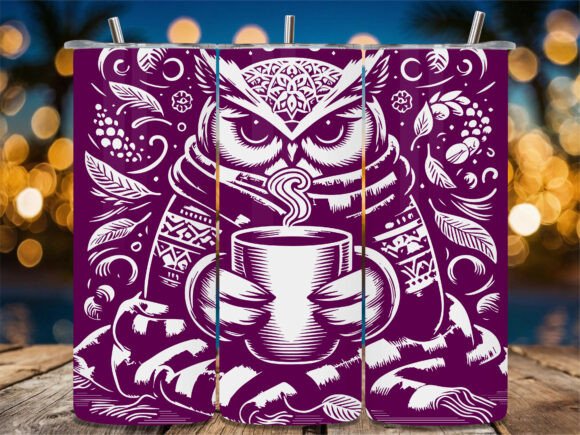
At first glance, this piece strikes a chord that resonates deeply with current trends in handmade goods. It blends the whimsical nature of an owl with the comforting imagery of a coffee cup, all anchored by the intricate symmetry of a mandala. For designers looking to create cozy, lifestyle-oriented products, this combination offers immediate visual appeal. However, the true value of any embroidery file lies not just in how it looks on a screen, but in how it translates to thread and fabric.
From Screen to Stitch: The First Impression
The layout of the Owl Coffee Cup Mandala suggests a design intended for focal placement rather than subtle background texture. The mandala elements provide a rich, circular frame that naturally draws the eye inward toward the central motif. In terms of mood, it feels warm, inviting, and slightly bohemian. This makes it an ideal candidate for items that are meant to evoke comfort and relaxation.
When I visualize this design being stitched, the mandala patterns likely rely heavily on fill stitch techniques to create density and texture, while the owl and cup details might utilize satin stitch for clean outlines and definition. The potential for using varied thread colors is high here; one could easily interpret the mandala in earthy tones like sage, terracotta, and cream, or go bolder with jewel tones for a modern twist. The visual personality is distinct enough to serve as a signature element for a brand, yet simple enough to remain timeless.
Real-World Application: A Case Study in Custom Apparel
To truly evaluate the utility of this design, let's imagine a practical scenario. Suppose I am preparing a batch of custom embroidered tote bags for a local artisan market. These bags will be sold as part of a "Morning Routine" gift set, which includes a mug and a journal. The target audience consists of Etsy shoppers and small business owners who value unique, handcrafted aesthetics.
In this context, the Owl Coffee Cup Mandala fits perfectly. Placed centrally on a canvas tote bag, the mandala acts as a beautiful backdrop that frames the owl without overwhelming the space. Unlike a standard logo placement, this full-wrap style creates a statement piece. Customers browsing at a craft fair would likely stop to admire the complexity of the pattern. The design elevates a simple cotton tote into a boutique-quality item, increasing its perceived value significantly.
I also considered applying this to a heavy-weight sweatshirt for a winter collection. The dense nature of the mandala would add a nice tactile dimension to the garment, providing warmth and structure to the chest area. For a baby item, such as a onesie or a blanket, the soft curves of the mandala offer a gentle alternative to sharp geometric shapes, making it suitable for nursery decor. The versatility extends to kitchen towels and aprons as well, where the coffee theme aligns perfectly with the setting.
Navigating Technical Challenges and Fabric Constraints
While the aesthetic potential is clear, an experienced designer knows that execution is everything. There are specific scenarios where the Owl Coffee Cup Mandala requires careful consideration to avoid common pitfalls.
First, consider the hoop size. If the design is large and intricate, attempting to stitch it in a small hoop can lead to distortion, especially when working with stretchy fabrics like jersey or thin knits. The tension required to pull the threads tight might cause the fabric to pucker around the detailed corners of the mandala. Therefore, I would recommend testing this design on stable, woven fabrics like denim, canvas, or heavy cotton before committing to a delicate material.
Textured fabrics present another hurdle. While a rough linen or a boucle wool might look charming in theory, the fine details of the owl's feathers or the inner lines of the mandala could get lost in the weave. For these materials, simplifying the design or adjusting the stitch density might be necessary to ensure clarity. Similarly, dark fabrics require a solid underlay strategy. Without proper stabilizer and a good underlay pass, the light-colored threads used for the mandala might sink into the fabric, losing their crispness.
Curved surfaces, such as baseball caps, demand special attention. While the circular nature of the mandala suits curved stitching paths, the transition from the flat center to the brim can sometimes cause thread breaks if the machine settings aren't optimized. For a professional finish on a cap, I would advise reducing the density slightly or using a specialized cap frame to maintain the integrity of the running stitch and satin stitch areas.
Impact on Brand Consistency and Customer Trust
In the world of craft business and Etsy seller ventures, the quality of your finished product directly influences customer trust. A sloppy stitch job can ruin an otherwise beautiful design, leading to negative reviews and returns. The Owl Coffee Cup Mandala, when executed correctly, signals professionalism. It shows that the maker cares about detail and has invested time in creating a cohesive visual identity.
This design supports brand consistency because it is thematic and recognizable. Whether used on a patch, a pillow cover, or a custom apparel item, the recurring motif helps build a narrative around the brand. Customers often buy into the story behind the product; a coffee-loving owl surrounded by a spiritual mandala tells a story of mindfulness and daily rituals. This emotional connection drives engagement and encourages repeat purchases.
However, for commercial use, one must be mindful of licensing. Before selling finished items or distributing the digital embroidery file, it is crucial to confirm the terms of use. Some designs are restricted to personal use only, while others allow for limited commercial production. Assuming you have the rights, this asset can become a staple in your design assets library.
Practical Notes for the Design Professional
Before you rush to load this design into your machine, there are several technical steps I highly recommend taking. First, always test the design on scrap fabric that matches your final project material. This allows you to assess the stitch density and adjust tension if needed. Check the contrast between your chosen thread colors and the fabric; a mandala that disappears into a dark background defeats the purpose of the design.
Review the file for small details. Sometimes, tiny elements in complex patterns can cause thread breaks or require excessive trimming. Inspect the corners and curves to ensure they are smooth and won't snag. It is also wise to create a black and white mockup to see how the design holds up in monochrome, ensuring the composition works regardless of color choices.
If you are planning to use this for holiday embroidery or wedding gifts, consider the washability. Dense satin stitches can sometimes trap lint or wear down over time with frequent washing. Using a proper stabilizer and perhaps a top stabilizer can help preserve the longevity of the finished product.
Finally, compare light and dark fabric backgrounds during your testing phase. The Owl Coffee Cup Mandala might look different depending on whether it is stitched on a white tea towel versus a navy blue sweatshirt. Adjusting the thread palette accordingly ensures the design remains vibrant and legible across various product lines.
Ultimately, the Owl Coffee Cup Mandala is more than just a pretty picture; it is a versatile tool for creative entrepreneurs. When approached with technical precision and a clear understanding of its strengths and limitations, it can elevate a simple craft item into a cherished keepsake. Whether you are a hobbyist looking to make a unique gift or a small shop owner expanding your catalog, this design offers a solid foundation for building a memorable brand presence in the Crafts and Graphics sectors.