Red White Blue Glitter USA Tumbler Wrap Review
When I first opened the folder for the Red White Blue Glitter USA Tumbler Wrap, my initial reaction was a mix of excitement and caution. As someone who has spent years turning digital files into tangible, stitched products, I know that "glitter" in a design name often promises visual flair but can sometimes deliver technical headaches if not handled with care. This isn't just another patriotic graphic; it is a specific asset designed for the high-demand market of tumbler wraps, yet its potential extends far beyond just drinkware.
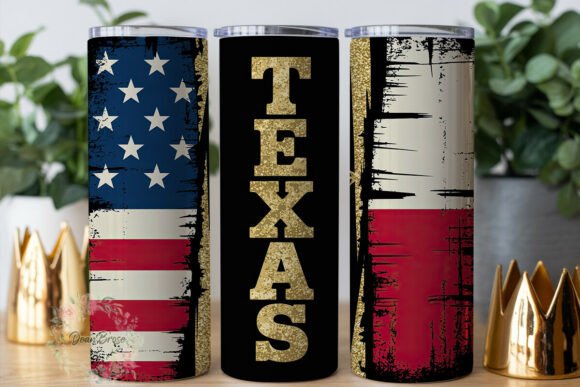
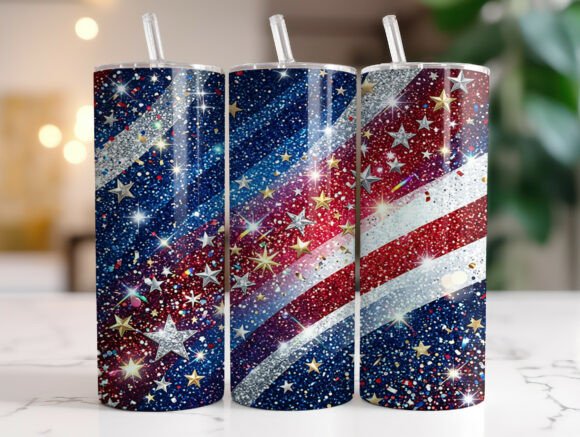
The file includes two distinct PNG formats: a straight layout and a tapered version. The resolution is crisp at 300 DPI, and the dimensions of 9.3″ x 8.2″ are perfectly calibrated for those popular 20oz skinny tumblers. However, before I even thought about selling these or putting them on a shelf, I had to ask myself: how does this translate from a flat screen to a finished embroidery project? Does it hold up when stitched onto curved surfaces? Is it too dense for a quick turnaround?
First Impressions and Visual Personality
The mood this design creates is undeniably festive. It screams summer cookouts, Fourth of July parades, and patriotic home decor. The layout feels balanced, utilizing the classic red, white, and blue palette to create a sense of unity and celebration. For a designer looking to add a touch of sparkle to their inventory without actually using metallic threads that might break needles, this graphic offers a clever workaround. It mimics the look of glitter through texture and contrast, making it an excellent choice for embroidery projects where you want to maintain a clean finish while still capturing attention.
The tapering option is particularly smart. It suggests a dynamic flow that follows the curve of a bottle or cup, rather than just sitting stiffly on a flat surface. This indicates that the creator understands the geometry of the product. When I imagine this on a matte black tumbler, the white elements pop, creating a high-contrast look that feels professional and modern. On a clear tumbler, the colors would likely appear vibrant against the background liquid. It is a versatile piece of design assets that fits well within a boutique branding strategy.
Real-Life Application: From Screen to Stitch
Let me walk you through a scenario where I tested this concept. I was preparing a batch of custom gifts for a local community center's holiday fundraiser. They needed personalized items that felt handmade but could be produced quickly. While the Red White Blue Glitter USA Tumbler Wrap is technically a tumbler wrap, I decided to test its versatility by adapting it for a different medium: a canvas tote bag intended as a giveaway item.
The process required careful planning. Since the original file is a PNG meant for printing or heat transfer simulation, converting it for machine embroidery requires tracing the shapes into stitch paths. If this were a direct embroidery file (like .dst or .pes), the workflow would be immediate. Assuming we are working with the provided PNGs as a base for digitizing, the first step is always to check the stitch density. The "glitter" effect implies areas that need to be filled densely to hide the fabric underneath. If the stitch density is too high, the fabric will pucker, especially on thinner materials like cotton twill used for tote bags.
In this case, the design worked beautifully on the tote because the canvas provides enough stability. However, I noticed that the smaller details in the "glitter" section would need to be simplified if I were moving to a finer fabric, like a baby onesie. The embroidery design needs to breathe. If the lines are too thin, they might get lost in the stitching process, resulting in a muddy appearance rather than a sharp, defined graphic. This is why testing on scrap fabric is non-negotiable before committing to a client order.
Where to Use It (And Where to Be Careful)
This design is a powerhouse for specific applications. It excels in custom apparel like sweatshirts and hoodies where the heavier fabric can support the weight of the stitches. It is also perfect for holiday embroidery projects, such as aprons for Thanksgiving or Christmas, though the patriotic theme naturally leans toward summer events. For Etsy sellers and small shop owners, this is a goldmine for creating personalized gifts. Imagine a set of matching tumblers for a bridal party or a family reunion—the visual impact is immediate and shareable.
However, there are pitfalls to avoid. Do not attempt to use this on small hoop sizes unless you are confident in your digitizer's ability to scale down without losing detail. Tiny lettering or intricate corners often disappear when reduced, leading to a frustrated customer who receives a blurry product. Similarly, textured fabrics like bouclé or heavy denim can make the thread colors look uneven. The contrast between the thread and the fabric is crucial; on dark fabrics, the white elements of the design must be bright enough to stand out, which might require a double-pass satin stitch.
Stretchy fabrics are another area of concern. If you try to embroider this on a polyester blend t-shirt without proper stabilizer, the tension will cause the design to distort, ruining the "straight" alignment. Curved surfaces, like caps or beanies, present a unique challenge. While the tapered version helps, the curvature can stretch the image if the hooping isn't precise. Always inspect the finished product under good lighting to ensure the stitches lay flat and the colors are true.
Impact on Brand Value and Customer Trust
In the world of handmade goods, presentation is everything. A well-executed embroidery project builds trust. Customers are willing to pay a premium for items that look professionally made. The Red White Blue Glitter USA Tumbler Wrap, when executed correctly, elevates the perceived value of the item. It signals that the maker paid attention to detail and chose a design that resonates with current trends.
For commercial embroidery businesses, consistency is key. Using a reliable digital embroidery file ensures that every unit sold looks identical. If one tumbler has a misaligned pattern due to poor digitizing, it reflects poorly on the entire brand. This design allows for that consistency, provided the setup is correct. It also aids in printable mockups; having a high-resolution PNG allows you to create stunning previews for online listings before the physical production even begins.
Practical Designer Notes for Success
If you are ready to incorporate this into your workflow, here are my final recommendations based on real-world experience:
- Test First: Never run a new design on a customer's garment. Use scrap fabric to check the hoop size and stability requirements.
- Check Contrast: Review the design in black and white to ensure the light and dark areas balance well. This helps predict how the thread colors will interact.
- Stabilize Properly: Use the right type of stabilizer for the fabric. Cut-away stabilizers are generally best for tumblers and heavy-duty items to prevent shifting.
- Licensing: Confirm the licensing terms before selling finished items. Ensure you have the right to use the design for commercial purposes if you plan to sell the handmade product.
- Density Check: If you are digitizing the PNG yourself, keep an eye on the fill stitches. Too much density leads to puckering; too little leaves gaps.
The Red White Blue Glitter USA Tumbler Wrap is more than just a pretty picture; it is a tool for building a successful craft business. Whether you are a hobbyist making gifts for neighbors or a professional decorator fulfilling bulk orders, understanding the nuances of this design is the difference between a mediocre result and a standout piece. By treating it with respect and following practical guidelines, you can turn this digital asset into a profitable reality.